


Primal Wear cycling guide
What Are the Best Cycling Bibs for Long-Distance Riding?
The best bibs for long-distance riding are the ones whose chamois, compression, inseam, straps and fit stay comfortable for the full ride. Start with your typical duration, then compare the construction details and fit that matter to you.
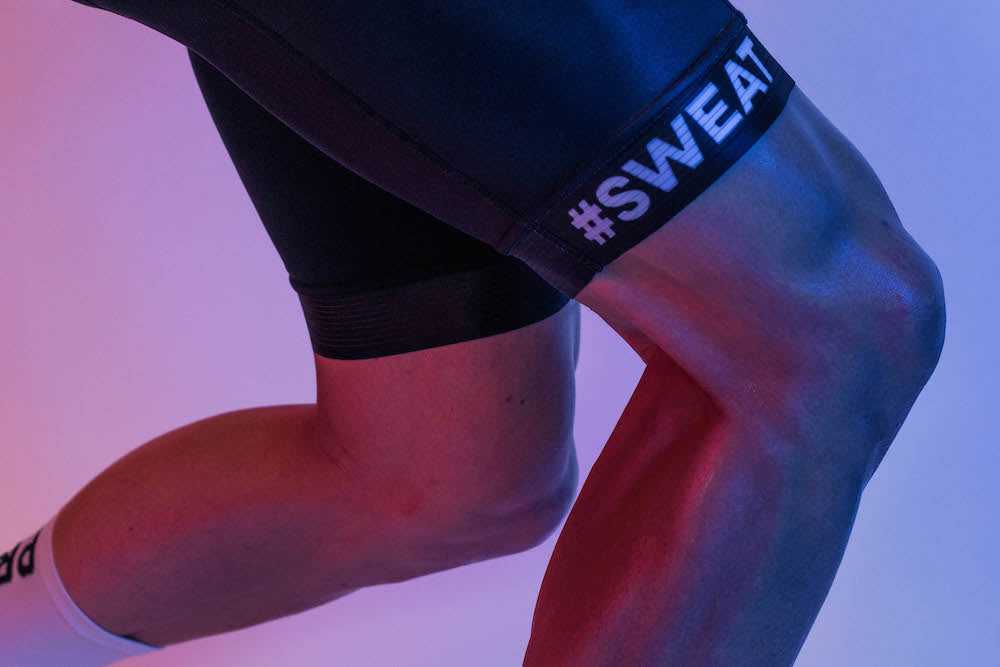
If you're riding for several hours, the best cycling bib isn't simply the one with the most padding.
The best bib for long-distance riding combines the right chamois, compression, fit, inseam and strap design so that the bib keeps disappearing underneath you as the miles add up.
For a three-hour ride, a comfortable all-around bib may be all you need. As rides stretch toward five, eight or more hours, details like multi-density chamois construction, stable compression, seam placement and strap comfort become much more important.
Here's what to look for—and how Primal's bib options compare for longer days in the saddle.
What Makes a Good Cycling Bib for Long-Distance Riding?
Long rides expose small fit problems.
A seam you barely notice after an hour can become annoying after five. A chamois that feels soft in the parking lot may compress too much after several hours. Straps that seem snug at the start can become distracting later in the day.
For long-distance riding, focus on five things:
- Chamois construction
- Compression and support
- Inseam and leg stability
- Bib strap comfort
- Overall fit and seam placement
1. Chamois: The Most Important Part of a Long-Distance Bib
The chamois is the interface between you and the saddle, so it matters more as ride time increases.
For longer rides, look for a chamois that uses multiple densities of foam rather than one thick layer.
Different densities allow the pad to provide more support where pressure is highest while remaining thinner and more flexible where you need movement.
A good endurance chamois should also:
- Move with your body
- Manage moisture
- Reduce friction
- Maintain its structure over several hours
- Fit your anatomy and riding position correctly
More padding isn't automatically better.
A very thick pad can create additional movement or bunching. For long-distance riding, support, placement and density matter more than simply adding foam.
2. Compression: Support Without Feeling Restrictive
Compression helps keep the bib stable and can provide support to the muscles during long rides.
But more compression isn't always better.
A recreational rider may prefer moderate compression that feels supportive without being restrictive. A performance-focused rider may prefer a tighter race fit that keeps everything stable during sustained efforts and long climbs.
For endurance riding, the goal is consistent support without pressure points.
If you're constantly adjusting the bib or feeling excessive pressure around the waist, thighs or leg openings, the fit is probably working against you.
3. Inseam: Longer Isn't Automatically Better
Inseam length affects both comfort and how securely the bib stays in place.
A longer inseam can provide more leg coverage and additional compression, while a shorter inseam may feel cooler or less restrictive.
The best length depends on your body proportions and personal preference.
What's more important on a long ride is that the leg openings stay where they belong without digging in, riding up or requiring constant adjustment.
4. Bib Straps: Easy to Ignore Until They're Wrong
Bib straps don't carry much of the conversation when people shop for cycling shorts, but they matter enormously after several hours.
Good straps should:
- Hold the bib securely in position
- Stretch naturally with your torso
- Allow airflow
- Avoid pressure points around the shoulders
- Stay flat beneath your jersey
Wide, lightweight and well-ventilated straps can make a noticeable difference as ride duration increases.
5. Fit and Seam Placement
The longer you're on the bike, the more important it becomes to eliminate friction.
Look for bibs with thoughtful panel construction and flat or strategically placed seams.
Your cycling bib should also fit correctly in the riding position.
A performance bib may feel unusually snug while you're standing upright but become much more natural once you're bent forward on the bike.
The goal is simple:
Nothing should move around, bunch up or give you a reason to think about your shorts.
How Do Bib Needs Change as Rides Get Longer?
Around 3 Hours: Comfort and Fit Come First
For rides around two to three hours, most riders don't need the most technical endurance bib available.
Prioritize:
- A comfortable multi-density chamois
- Moderate compression
- Secure leg grippers
- A fit that matches your riding style
For many recreational, club and team riders, this is the sweet spot where comfort and value matter most.
Around 5 Hours: Small Details Start to Matter
As you move toward four or five hours in the saddle, the bib has more work to do.
This is where you'll start appreciating:
- Higher-performance chamois construction
- Reduced or carefully positioned seams
- More supportive fabrics
- Better strap ventilation
- Leg openings that stay completely stable
If your rides regularly include centuries, long mountain days or endurance events, it's worth moving into a bib designed specifically for longer performance.
8+ Hours: The Bib Needs to Disappear
For an eight-hour ride, double century or all-day event, comfort isn't a luxury.
Your bib needs to remain stable after hours of climbing, descending, sweating, standing, sitting and shifting positions.
At this level, prioritize:
- Premium multi-density chamois construction
- Excellent moisture management
- Stable compression
- Minimal pressure points
- High-performance strap construction
- A fit designed specifically for sustained riding
If you're planning rides of this length regularly, this is where investing in a premium endurance bib makes the most sense.
Recommended Primal Bibs for Long-Distance Riding
Prisma Bibs: Best for Comfort, Versatility and Value
Prisma Bibs are a strong option for recreational riders, teams and cyclists who want dependable comfort for everyday riding and longer days.
Prisma uses Primal's APX chamois, which features three layers of density foam, four-way stretch and an anatomical shape designed to balance comfort with freedom of movement.
The bib also uses PriFlex fabric, ergonomic seat panels, flatlock stitching and silicone leg grippers.
The standard-fit construction makes Prisma a good choice for riders who want supportive cycling apparel without moving into a highly compressive race fit.
Best suited for:
- Weekend rides
- Club rides
- Charity rides
- Century training
- Riders who prioritize comfort and value
Omni Ultimate Bibs: Best All-Around Long-Distance Performance
Omni Ultimate Bibs are designed for riders who want a lighter, slimmer and more performance-oriented bib without going all the way to Primal's most elite endurance construction.
The Omni Ultimate uses the Italian-made HX8 Carbon chamois, a four-density, four-way-stretch pad designed to form to the rider's body.
The bib uses reduced panel construction and fewer seams to minimize potential pressure points, along with lightweight perforated straps for additional ventilation.
The result is a bib designed to work equally well for competitive riding, long-distance touring and demanding summer rides.
Best suited for:
- Long training rides
- Centuries
- Mountain events
- Fast group rides
- Riders who prefer a slim performance fit
Alitios SR Etheros Bibs: Best for 8+ Hour and Ultra-Endurance Riding
For riders planning very long days, the Alitios SR Etheros Bib sits at the top of Primal's endurance range.
Its TMF F130 Carbon Race Chamois is designed specifically for extreme riding conditions and is rated by the manufacturer for rides of 10 hours and beyond.
The F130 uses multi-density foam construction and TMF's Skyving technology to create an ergonomic pad shape while maintaining support over extended periods.
Etheros also uses highly supportive compression fabric, seamless strap construction and an Elite Pro Fit aimed at riders who want maximum stability during long, demanding rides.
Best suited for:
- 8+ hour rides
- Double centuries
- Ultra-endurance events
- Long mountain days
- Experienced riders looking for premium compression and support
Primal Long-Distance Bib Comparison
| Bib | Best For | Chamois | Fit | Ride Type |
|---|---|---|---|---|
| Prisma | Comfort + value | APX multi-density | Standard | Everyday rides, club rides, centuries |
| Omni Ultimate | Long-distance performance | HX8 Carbon, 4-density | Slim | Long training rides, races, mountain events |
| Alitios SR Etheros | Ultra-endurance | F130 Carbon Race | Elite Pro | 8+ hour rides, double centuries, ultra events |
Which Cycling Bib Should You Choose?
Start with the kind of riding you actually do.
If most of your rides are around three hours:
Prioritize comfort, fit and value. Prisma is a strong starting point.
If you're regularly riding four to six hours:
Look for upgraded chamois construction, reduced seams, lightweight straps and more performance-oriented compression. Omni Ultimate fits that middle ground well.
If eight-hour rides are normal:
Move toward an endurance-specific bib with a chamois and construction designed specifically for all-day performance. That's where Etheros SR makes sense.
And remember: the most technical bib isn't automatically the best bib for you.
The right bib is the one that fits your body, your riding position and the amount of time you actually spend in the saddle.
Long-Distance Cycling Bib FAQs
Do I need a different bib for long rides?
Not necessarily, but longer rides make fit and chamois quality increasingly important.
If your current bib is comfortable for several hours without causing pressure, friction or excessive movement, it may already work well for endurance riding.
Is a thicker chamois better for long-distance cycling?
No.
More padding does not automatically mean more comfort. Multi-density construction, anatomical shape, stability and moisture management usually matter more than simply increasing thickness.
How tight should cycling bibs be?
Cycling bibs should feel snug enough to keep the chamois and fabric stable without creating painful pressure points.
Race-oriented bibs will generally feel more compressive than standard or recreational fits.
Should I size up for long-distance riding?
Not simply because you're riding longer.
Choose the size recommended for the specific bib and fit category. A bib that is too large can allow the chamois to move, while one that is too small can create unnecessary pressure.
How long should cycling bibs last?
That depends on how frequently they're worn, how they're washed and how the fabrics and chamois hold up over time.
If the chamois has lost its structure, the fabric no longer provides support or the fit has noticeably changed, it may be time to replace them.
What should I wear for my first century?
Wear bibs you've already tested on several long training rides.
Race day—or century day—is not the time to discover that a new chamois, seam or leg gripper bothers you after four hours.
Find the Right Bib for the Long Ride
Three hours. Five hours. Eight hours. Ten.
The farther you ride, the less you should have to think about what you're wearing.
Choose the level of support, compression and chamois technology that matches the rides you actually do.